
Poets' Corner
Poets' Corner
The first gift that Geordie ever gave me when we met nearly 30 years ago was a slim green jacketed book: an anthology of First World War poetry edited by Jill Balcon. This small book presented some of the most extraordinary body of poetry – and is one way emotionally to seek to understand the First World War. The editor was also remarkable.
Jill’s father, Sir Michael Balcon, was an English film producer, a "pioneer of British films" with "courage, energy and (a) flair for showmanship". He produced a number of classics, including a string of Hitchcock successes. Thanks to his efforts, Ealing Studios in West London became one of the most important British film studios of the day (1938-1956). Married to a noted society beauty, Lady Balcon, who was photographed as a classical figure by Madame Yevonde, they were a much recognised couple who loved the theatre and opera, travelled extensively and had a wide circle of friends.
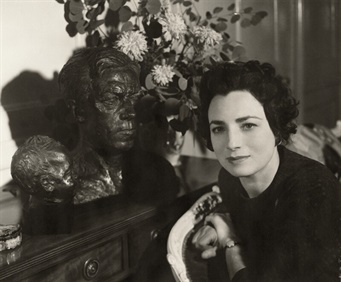
Their daughter Jill was an actress in her own right and much admired for her “rich, expressive, finely modulated” voice. It was on the radio programme “Time for Verse” that she met the Anglo-Irish poet, Cecil Day Lewis. He was still married when the two of them started a relationship, but he got a divorce and he and Jill married in 1951. Jill’s family disapproved but it proved a long and successful marriage to a man about whom she was sometimes painfully honest yet said “he was dazzling... He had colossal magnetism.... tremendously funny.”
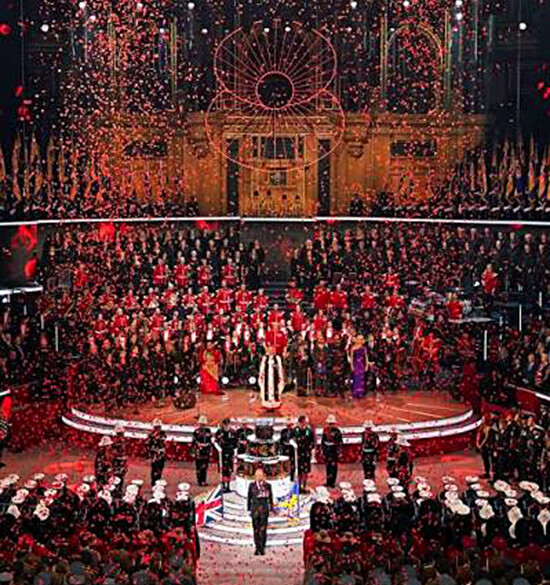
With a passion for poetry, Jill Balcom edited this slim anthology of 16 poets which was published to coincide with the unveiling of the memorial to the First World War poets in Poets' Corner in Westminster Abbey on November 11, 1985.
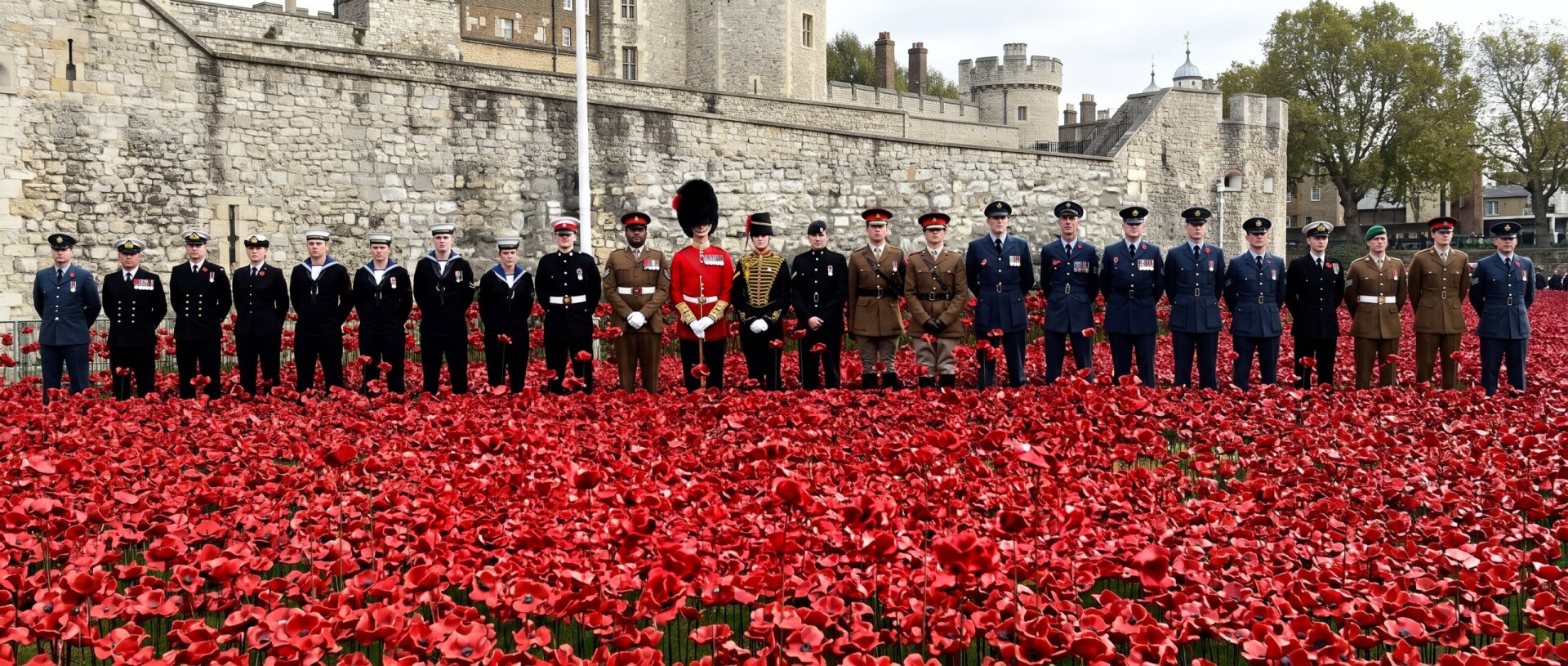
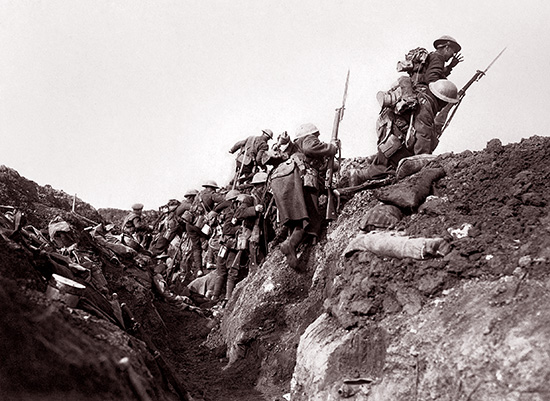
Now, once again, Remembrance Day – November 11th - is approaching. A day to reflect and acknowledge those who served and saved in the past and those who do so today. The relief felt at the end of any way must be indescribable, but the sheer scale of the loss and horror of the First World War is almost beyond words. Yet the poetry of that time manages not only to find the words but to conjure the emotions and spirit of those who died in the mud.
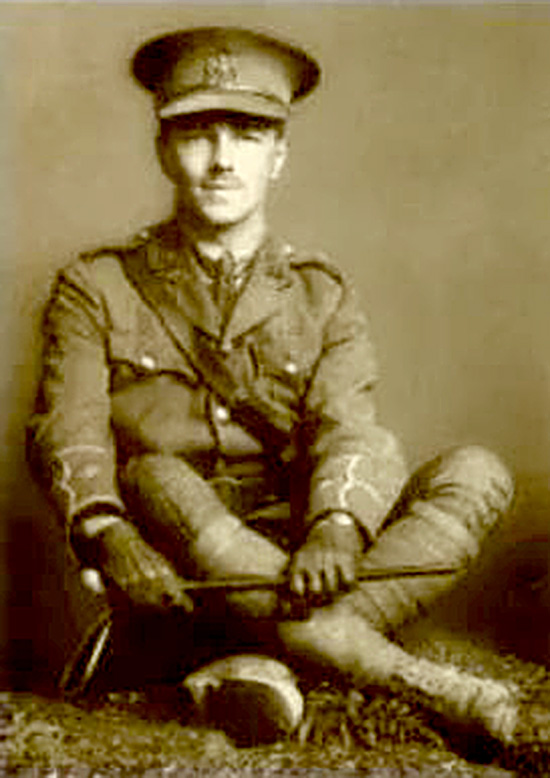
One of the most famous of these poets is Wilfred Owen. Jill Balcon’s husband wrote that Owen’s poems were “certainly the finest written by any English poet of the First War” – a fine accolade as Cecil was a much lauded poet himself.
A few years later Geordie gave me a beautiful edition of Wilfred Owen’s letters which included his last letter home to his mother Susan describing his cosy, smoky surroundings, sharing food with his fellow band of brothers – the artillery a distant accompaniment: “you could not be visited by a band of friends half so fine as surround me here". His mother received the official telegram informing her of his death on Armistice Day.
The word armistice comes from the Latin meaning cessation of arms - sistere - also used today in the word solstice – standing still in time - or for all the men who died - lying still.
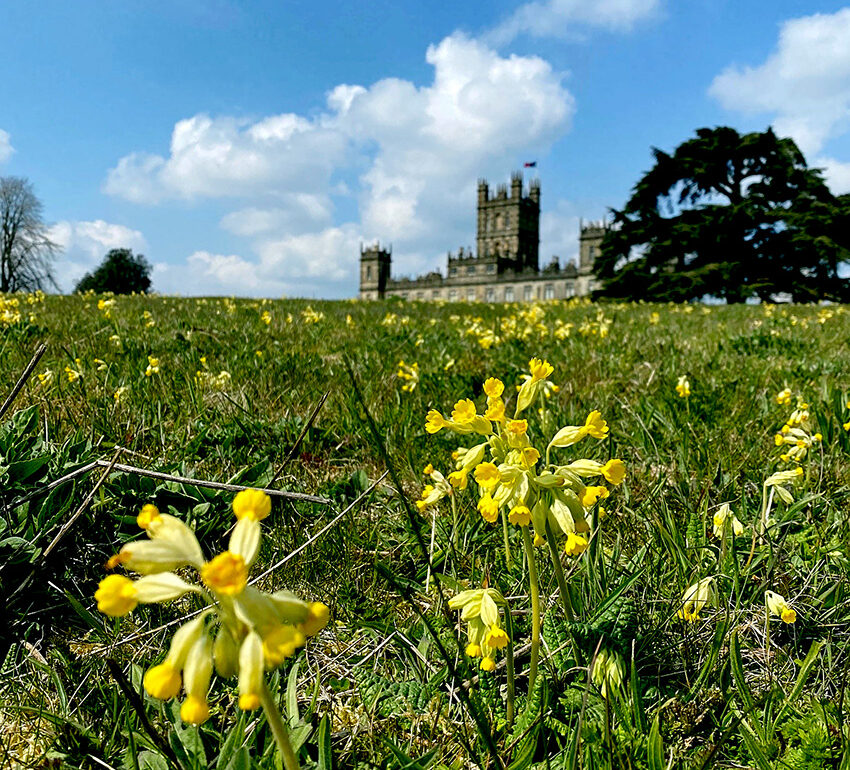
Walking through the gardens I often think of those who cannot be here, who never again see the sun rise or set, or have a puppy bounce up rather wet and muddy. They lie instead in their millions and sometimes you feel what for? So often, looking at history, it seems simply because somebody wanted something which belonged to someone else or disagreed with how they lived. As Wilfred Owen wrote in his poem “Futility”:
“Move him into the sun – Gently its touch awoke him once, At home, whispering of fields unsown. Always it woke him, even in France, Until this morning and this snow. If anything might rouse him now The kind old sun will know …”
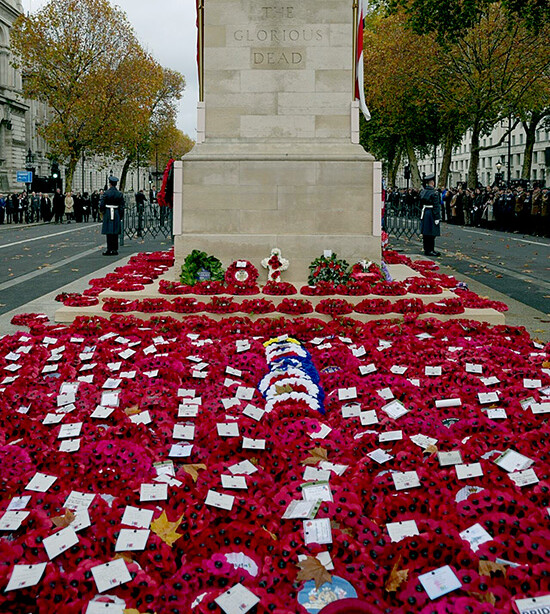
After each World War, those who survived wanted to create an architecture so that those who lived on could look forward to life without war - to quote Churchill, the preference of “Jaw Jaw” not “War War”.
Let's hope that we can have more jaw-jaw, less war-war as we approach Armistice Day 2026.


0 Comments
- Christmas
- Community
- Conservation & Wildlife
- Dogs & Horses
- Egypt & Tutankhamun
- Entertaining
- Farm
- Filming
- Gardens
- History & Heritage
- Daily Life
- Royalty
- Cooking
- Interiors
- Heroes
- Stories and Books
- Architecture
- Cars
- Conservation
- Downton Abbey
- Events
- Gardens & Landscape
- Highclere Castle Gin
- History
- Restoration
- Stories & Books
- Uncategorized
- Visitors
- Wildlife
Leave a Comment