
All Nature has a feeling
All Nature has a feeling
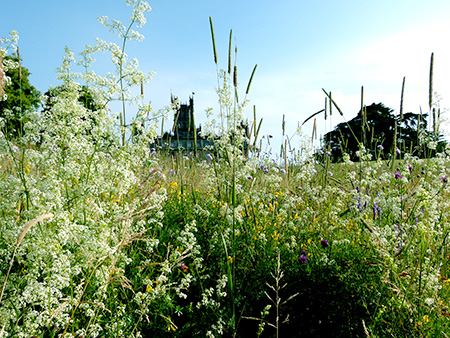
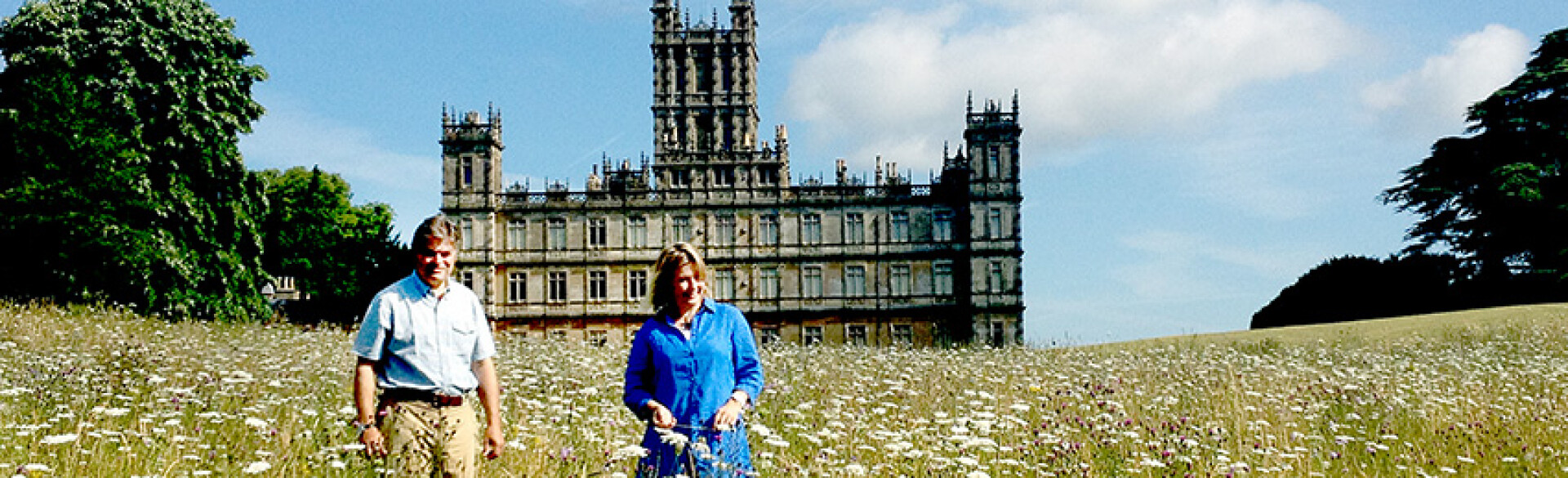
My two little spaniels Paddy and Lola bounce around me whilst the labradors have taken off together, arguing noisily over who has the tennis ball. They are easily distracted by any nearby beguiling scent so will undoubtedly soon lose it, leaving it in the dense undergrowth of wild thyme and marjoram.
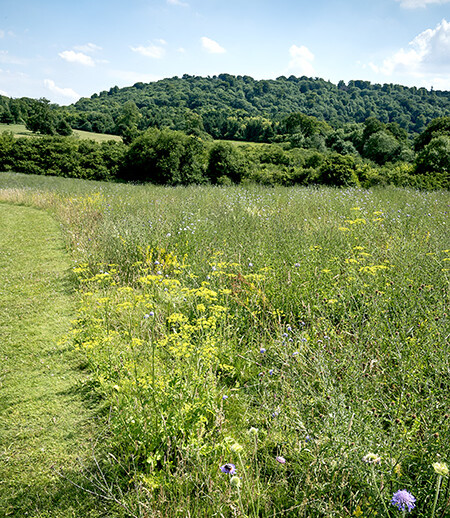
There are few better ways to begin a summer’s day than to set off early along the winding path that leads downhill through the middle of the wildflower meadow to the south of the castle. “Everything good, everything magical happens between the months of June and August.”
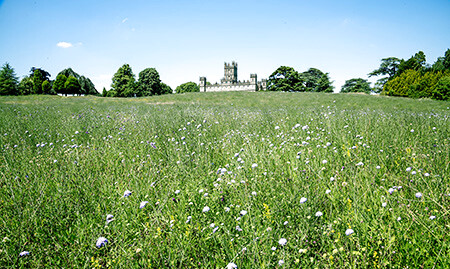
The morning light is clear; the longer flower heads swing and nod amongst the slim rippling grasses whilst the summer orchestra of birdsong is in full voice even if all the contributors remain hidden amongst the mass of green leafed trees at the top of the walk. The scent of summer seems to rise from the ground and say welcome to a beautiful world.
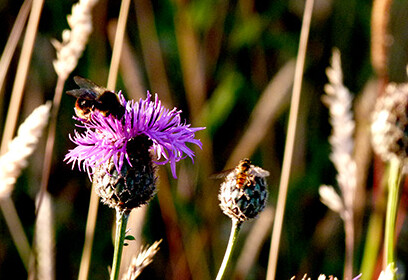
There is such boundless variety in the natural tapestry of summertime, with each mosaic part so unique and complex that it seems impossible that it came to be by random chance. These wildflowers and meadows provide bees, butterflies and other pollinators with food throughout the year. On a single day in summer, one acre of wildflower meadow can contain three million flowers which in total will produce around 1kg of nectar sugar.
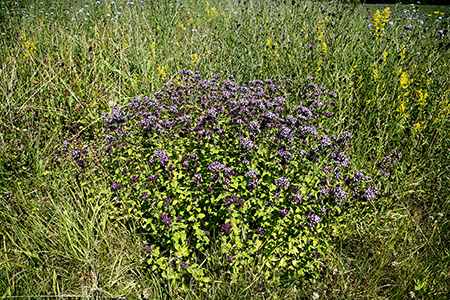
There are things to touch, to smell, to hear and to see and the joy it engenders is deeply rooted in the best part of our subconscious. The resilience and humble beauty of these unassuming flowers is the living poetry of an English summer and as such has been written into our language and drama from poets such as John Clare, Gerald Manley Hopkins and, of course, Shakespeare.
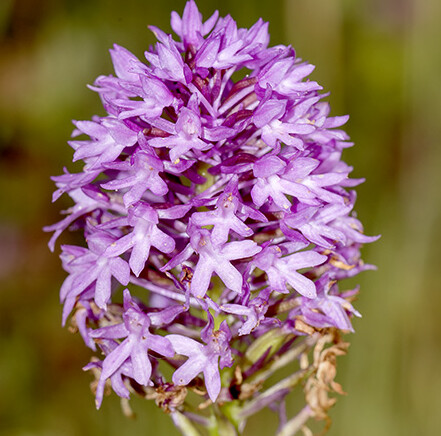
Shakespeare's plays and poems are rich in wildflowers from violets to rosemary, eglantine, woodbine (honeysuckle) and meadowsweet, the list is endless. “Hot lavender, mints, savoury, marjoram; The marigold, that goes to bed wi’ the sun.,” references to the “fairy favours”, to the secret of the flower’s scent and the meaning of each flower are incorporated into many of his plays and poems.
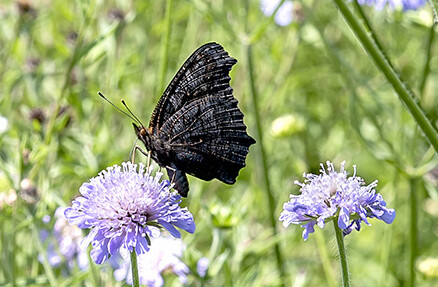
The language and knowledge of flowers was far more prominent in his time, and his contemporaries would know that rosemary was symbolic of remembrance, that violets represented faithfulness and fennel marital infidelity whilst daisies were a sign of innocence. Shakespeare had a deep knowledge of the English countryside and Elizabethan floral culture which these days has to be taught before all the nuances of his words can be understood.
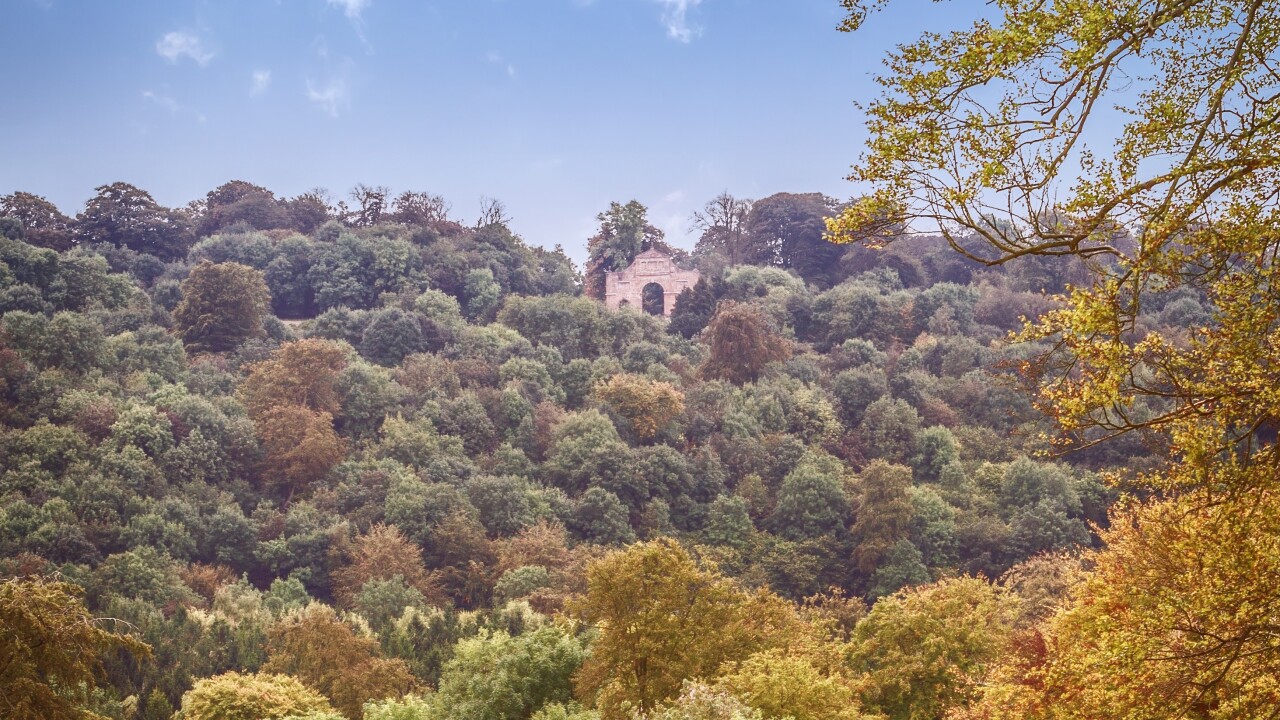
Shakespeare and his contemporaries would be able to distinguish and know the names of the wildflowers which we grow here at Highclere. They have such marvellous names including Devil's-bit Scabious, Viper's Bugloss, Lady's Bedstraw and Fairy Flax and most of them have a purpose or a value. These flowers grow well on the thin chalky hillside, and they flourish to the left and right of my morning perambulation.
One of my personal favourites is the 18th century English poet, John Clare who led an impoverished and troubled life despite his genius, but who wrote so many beautiful lines, understanding the connection between flowers and human feelings:
All nature has a feeling: woods, fields, brooks
Are life eternal; and in silence they
Speak happiness beyond the reach of books;
There's nothing mortal in them; their decay
Is the green life of change; to pass away
And come again in blooms revivified.
Its birth was heaven, eternal is its stay,
And with the sun and moon shall still abide
Beneath their day and night and heaven wide.
It is a privilege to be able to walk each day in such surrounding rather than having to hurry from place to place inside a metal box (car) and a beauty that is easily missed by going for a run plugged into air pods.
34 Comments
Dear Lady Carnarvon,
Thanku for your lovely blog - my late Mother was an expert in all things plants & flowers - she even knew them all by their Latin names, namy of which I couldn't even pronounce! Enjoy your walks in your beautiful gardens with your Doggy-Pack, I honestly envy you!
Love to all at Highclere,
Caroline
fun to learn the names
Early morning in nature is beautiful.
Lovely words and pictures - and your last paragraph - I so agree!
Your blog today has given John Clare a run for his money. Beautifully evocative. Thanks for this..
What a wonderful way to start my day, here in Seattle, Washington. I always read your posts, enjoy vicariously your dogs, and revel in your meanderings through the Highclere landscape. The poem, this morning, hit a chord within me. We are preparing for a wedding in our backyard so spending lots of time outside, enjoying the flowers as we reposition some of the grass that wants to converse with the roses. I appreciate all the time and effort that you and your husband are putting into keeping Highclere a viable and sustainable property. I hope to see it in person at some point.
Very kind and I hope the wedding is a joyous day!
Lovely the pictures of all nature has a feeling and did you and weekend and lam fan of Downton Abbey higcelere castle
Nature is indeed alive! It's an enjoyable time of year.
I just think all of nature and wildlife have as much right to life as we do and sometimes we seem to forget to give back
Lovely picture of all nature has a feeling and did you and lord Carnarvon have a wonderful weekend and fan of Downton abbey and highcelere castle
I love hearing about your flowers. The colors and names are delightful! God's masterpiece-work on display in fields we get to admire. Beautiful and peaceful. Thank you for the sweet break in my busy day!
Lady Carnarvon,
I can imagine you and Lord Carnarvon gently surrounded by the scents of flowers as you both are standing still in the midst of the wildflowers, a calming and satisfying experience. Wish I were there!
Martha
Moments out!
Lovely picture of all nature has a feeling and did you and lord Carnarvon have a wonderful weekend lam fan of Downton abbey highcelere castle
Wonderful! I hope the heat wave hasn't been too onerous for you this summer.
Take care.
Donna from Chicagoland
I think it makes us take things slowly!!!
Beautiful!! There is nothing as beautiful as a wildflower meadow or an English country garden.
Reminds me of the classic hymn...
This is my Father's world,
And to my listening ears
All nature sings, and round me rings
The music of the spheres.
This is my Father's world:
I rest me in the thought
Of rocks and trees, of skies and seas;
His hand the wonders wrought.
This is my Father's world,
The birds their carols raise,
The morning light, the lily white,
Declare their maker's praise.
This is my Father's world,
He shines in all that's fair;
In the rustling grass I hear Him pass;
He speaks to me everywhere.
🎼A lovely reminder!
And true.
Dear Lady Carnarvon,
This is absolutely beautifully written. I loved reading it and feel quite emotional as I have had the privilege of visiting Highclere Castle .I always take in the miracle and beauty of nature.
The smells, the colours, the plants, the insects, the animals and birds,the sounds ,the peaceful feeling etc.
Thank you so much for sharing it with us all.
I rejoice in the thought that my late Aunt will have enjoyed the beauty of Highclere gardens whilst she was Lady's Maid to the then Lady Carnarvon.
She resigned her position to emigrate to Vancouver, Canada, in October 1923. Our family have one or two mementos of that time, including a few
pressed flowers, 1920s post cards of the Castle and Charles Street, London, and perhaps more notably, a scarab tie pin.
How very fortunate I am to have access to your amazing blogs.
Sincere best wishes,
Elizabeth
How amazing - what was she called?
Dear Lady Carnarvon,
This is absolutely beautifully written. I loved reading it and feel quite emotional as I have had the privilege of visiting Highclere Castle .I always take in the miracle and beauty of nature.
The smells, the colours, the plants, the insects, the animals and birds,the sounds ,the peaceful feeling etc.
Thank you so much for sharing it with us all.
How beautiful! Thank you!
What a splendid and oh so evocative post...I am with you in the fields, and watching the dogs run off...thank you for bringing Shakespeare into it - now I must reread some and look for the floral and herbal references and ponder all the deeper symbolism - imagine, a new layer to appreciate his work! Well done you. Such a lovely blog you have. Someday, I'll make it to Highclere. It was a dream of my mother's and I and alas she is gone now...but she will join me in spirit that day, I'm sure of it. We both read your books and so admire you and your wonderful writing. What fabulous stewards you are!
I suppose I think we are all stewards.. or we all should try to be
Highclere is exceptionally beautiful at this time of the year and the wild flowers magical. From a distance the expanse does look white, but when you sit on the edge you suddenly discover the magical variety, colour and fragrance of the myriad of plants within it. Nature is so fascinating. I still zoom in on my favourite photo of the wildflowers, discovering yet another butterfly or flower. Your beautiful dogs must have the most amazing time bounding through your marvellous grounds on their walks. Thank you for sharing such a lovely blog. Always a joy to read each Tuesday morning as it pings into my mail box.
My very favorite of all your posts. Truly touched my soul. Here in NYC I walk our beautiful parks (sans air pods) as much as possible to connect with nature, but I long for childhood summers spending all day in the fields picking wildflowers and chasing butterflies. Much love.
Thanks for sharing this informative post. I completely agree that confidence is the key to speaking English fluently. ExploreU offers an English speaking course online in Rajouri Garden & Tilak Nagar that focuses on conversation practice, pronunciation, mock interviews, and personality development, making learning much more practical.
For more:- https://exploreu.in/online-english-speaking-classes-in-rajouri-garden/
A really lovely post!
Thank you Lady Carnarvon.
At the British Academy, we are committed to helping students and professionals build strong communication skills with practical and interactive learning. Recognized as the Best English Speaking Institute in Dwarka, we focus on improving fluency, confidence, grammar, and personality development through expert guidance and real-life speaking practice. Our Top Spoken English Classes in Uttam Nagar are designed for beginners, job seekers, working professionals, and anyone looking to communicate confidently in English. With experienced trainers, flexible batches, and a supportive learning environment, British Academy ensures every student achieves noticeable improvement and reaches their personal and professional goals with confidence. Visit us today and begin your English learning journey.
Thank you for a lovely blog it brought happy memories of a childhood in Kent. Thank you for sharing much appreciated. Always a real pleasure to read your posts.
Take care and keep safe Davidia from Downunder
Leave a Comment
- Christmas
- Community
- Dogs & Horses
- Egypt & Tutankhamun
- Entertaining
- Farm
- Filming
- Gardens
- History & Heritage
- Daily Life
- Royalty
- Cooking
- Interiors
- Heroes
- Architecture
- Cars
- Conservation
- Downton Abbey
- Events
- Gardens & Landscape
- Highclere Castle Gin
- History
- Planes
- Restoration
- Stories & Books
- Uncategorized
- Visitors
- Wildlife
It is a privilege to be able to walk each day in such surrounding rather than having to hurry from place to place inside a metal box (car) and a beauty that is easily missed by going for a run plugged into air pods.- You are lucky indeed/
It is but may be that should be all of our aim