
Oh to be Gothic
Oh to be Gothic
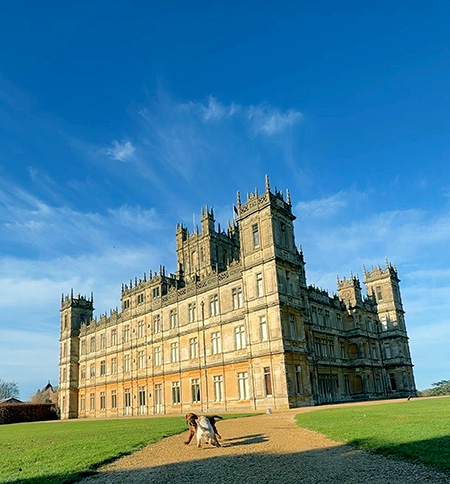
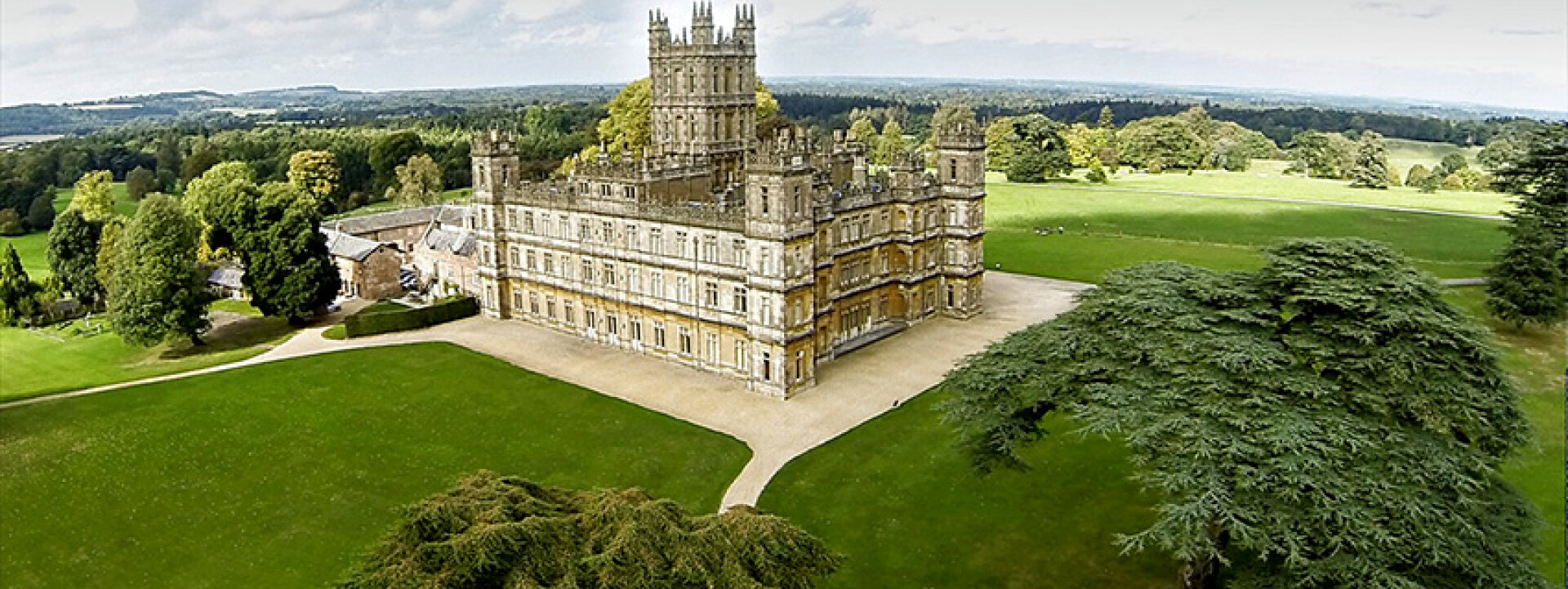
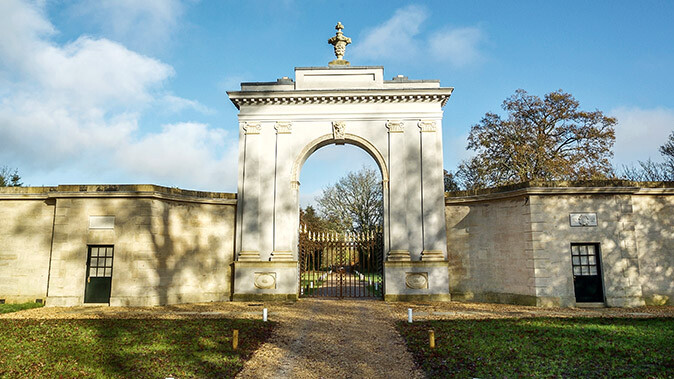
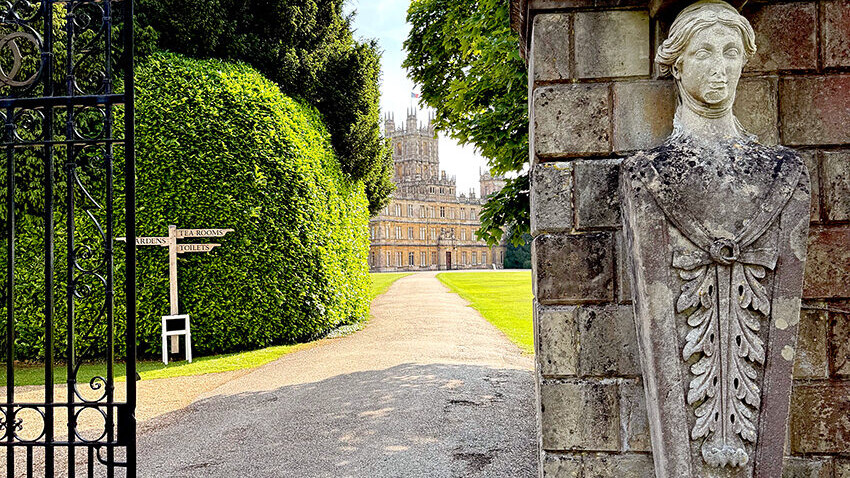
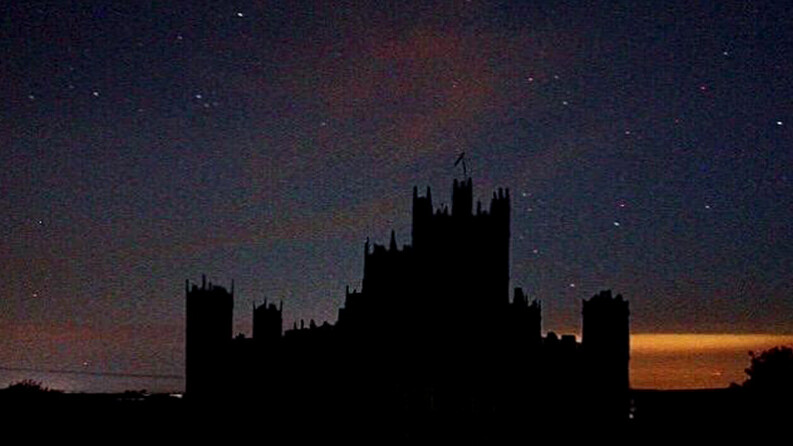
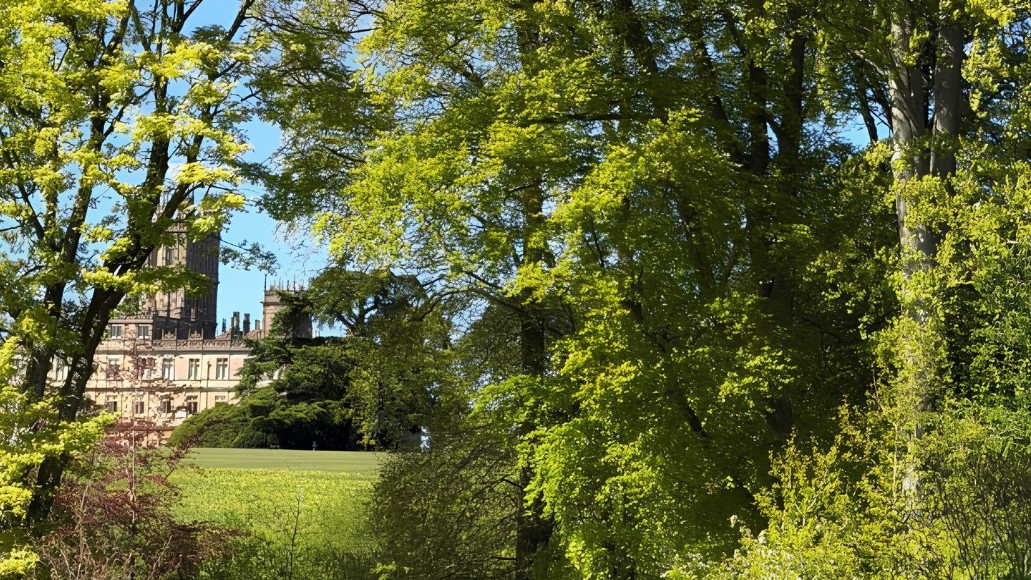
Currently, most of my dog walks follow a rather erratic path. The two puppies, Paddy and Lola, shoot off at high speed in unexpected directions either to play tag or to argue over a variety of exciting new twigs. Zigzagging from side to side as we progress along various paths, I rather enjoy the oblique views of the castle I get as pinnacles and turrets hove into sight and then are lost from view as the puppies dart away again.
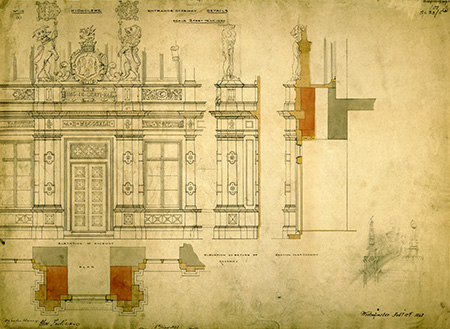
A building such as Highclere embodies scale and proportion - the 3rd Earl of Carnarvon and his architect Sir Charles Barry might have created a home, but it is one of epic effect and a variety of symbolic details. It is architecture which transcends its relationship with its site, but which remains practical and in scale. What I find continually absorbing is that the history of this building is not the same as the history of its architecture. There are one or two points in its history where Highclere can be said to accurately reflect a coherent vision of its architect but overall, it is the creation of generations of architects and builders.
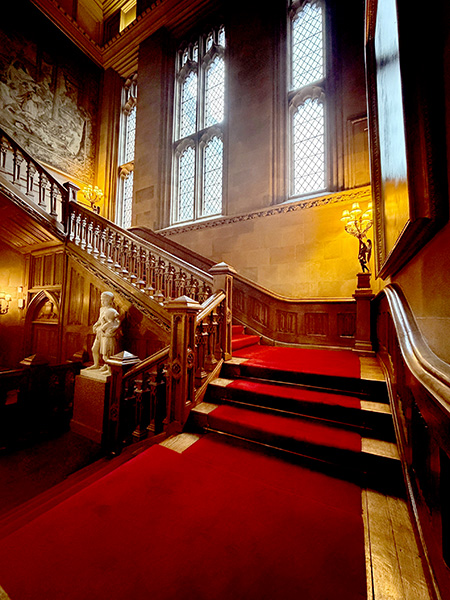
The culture and inspiration of many English buildings, ecclesiastical and secular, devolved from the classical traditions of ancient Egypt, Greece and Rome. Highclere is not a church even if its alter ego was called an “Abbey”, but it has the soaring height, light, intricate detail and leaded windows of one, even if there is no stained glass. The perpendicular style was much admired in many of the great cathedrals and can be seen in the clean lines and fan vaulting which heralds your entrance into the Front Hall at Highclere. Equally, I have no proof, but I am certain that is design rather than accident that brings the resulting play of light and shadow into the central saloon.
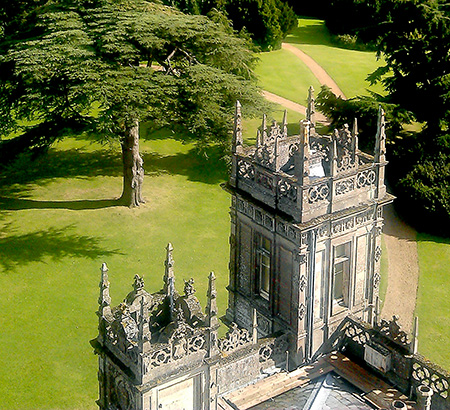
By the middle of the 19th century when the 3rd Earl began his great rebuild, Gothic Revival had become the pre-eminent architectural style in Western Europe. It had its roots in the revival of interest in medievalism which took place also at that time and it is probably no surprise that the 4th Earl, who completed his father’s building, was President of the Society of Antiquaries.
Gothic architecture really began in the 12th century in France with a man called Abbott Sugar, a French statesman and trusted councillor to King Louis VI. Sugar was responsible for the Abbey of Saint-Denis, a significant site with a long tradition of royal burials dating back to the 6th century but which was, by then, rather decrepit. The new building was achieved in stages, but the resulting chancel was high and suffused with light, using the latest masonry features including pointed arches, ribbed vaults, ambulatory radiating chapels, clustered columns and flying buttresses which allowed very large windows to be included.
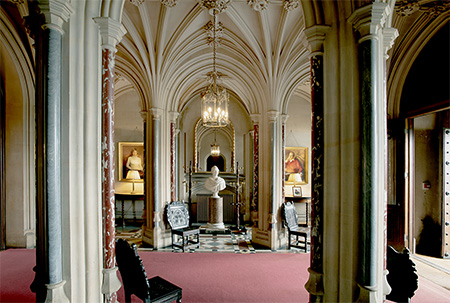
Artists who worked in the Gothic style also paid close attention to natural forms and were able to reproduce them with remarkable accuracy. Leaf forms were especially popular in England, and churches were often decorated with a variety of recognisable species. You can see this detail being carried into the stonework at Highclere.
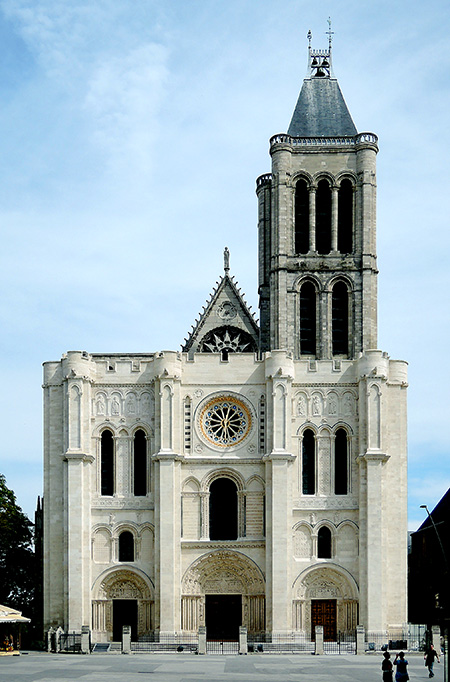
The creation of the Abbey of Saint-Denis became the prototype for the construction of a series of great Gothic cathedrals throughout northern France, famously at Notre Dame in Paris, as well as in Chartres, Reims and Amiens to name but a few. This new style was then rapidly taken up in England, where it was used in two highly important buildings: Canterbury Cathedral and Westminster Abbey where royal coronations took place. Interestingly, however, the term Gothic was not used until four to five centuries later when it became a slightly derogatory term as a synonym of 'barbaric', attributed to the Gothic tribes who had destroyed the Roman Empire and its classical culture in the 5th century.
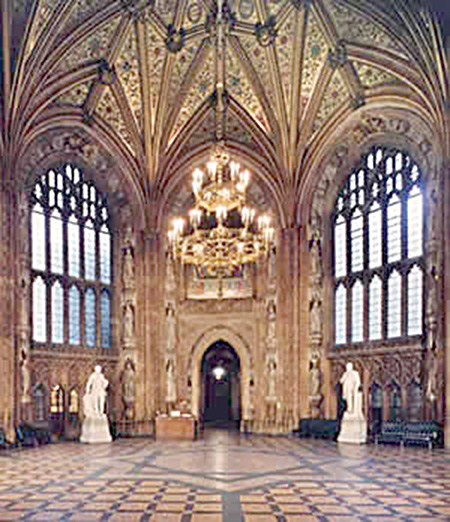
Fast forward to the 19th century and one of the reasons Barry won the Commission to rebuild the Houses of Parliament was his comprehension of the perpendicular Gothic style whilst his partner, Mr Pugin, was a medieval scholar. As with many other projects undertaken from the time of Abbot Sugar onwards, Barry was working on an old site where a number of existing buildings would remain in situ. Barry liked symmetry and so placed an octagonal lobby in the centre of the “Mother of all Parliaments” from the which the corridors radiated out to the Commons on one side and the Lords on the other. It is lit by the same gothic leaded windows as Highclere.
30 Comments
Thank you for all the information. I look forward to mondays and all of your info on the Castle and the history. again thank you.
Dear Lady Carnarvon, the beauty of a building is often the subject of the photos I take as I liken it to man's attempt to recreate the wonder of nature for usage to serve our purpose rather than the birds and beast which inhabit natural spaces. I would find it glorious to live as you do inside
such a vision s Highclere. The various flat walls and uninspired ceilings of the buildings I inhabit serve only function and as such are not so inspiring. It is wonderful for people like me to visit homes or buildings such as your which have such visual stimulation and can inspire wonderment at all the detail deliberately put into trim work, staircases or even doors. I love that even after years of seeing your house you can still find the beauty in it (as you know the work it takes to keep up appearances).
Thank you for sharing your thoughts.
I so agree
Thank you for this nice and interesting history- lesson.I had no
Idea of the meaning of gothic….never too old to learn!
Thank you - we sometimes are better are learning as we get older !!!
Good morning Lady Carnarvon. Emphasis on the word “ sometimes “. After 38 years as a train driver I am embarking on a radical change in career as a blue badge tour guide. Highclere is on the list of must see places of interest this summer. It looks simply wonderful!
One day I'll be able to admire the magnificent architecture of your home.
Thank you,
Lilly
I do hope so
Thank you another interesting read x
love your home here in Wisconsin and in the cities we had several homes of grand style and build.. most have been destroyed . got the music box..
thank you so very much. love and spring prayers Ardith Ann
Has Highclere been a site of fighting or seige? I would enjoy reading a book of the architectural life of the building. Thank you for this topic today.
It has not - I have tried to bring the stones alive through the centuries in the first chapter of "A year at Highclere " - please do try it and let me know what you think
Fascinating!
most enlightening post! thank you Lady Carnarvon
Lovely the pictures oh to be Gothic and did you lord Carnarvon have a wonderful weekend and fan of Downton Abbey and highcelere castle
As I am visiting in may it's very good to have
this background information many thanks Alan.
See you in May
Good morning.
As always, I enjoyed reading your post. I look forward to the day when I can come visit Highclere and see this outstanding building.
What a lovely article and such a lot of information about Highclere Castle and the lovely Gothic windows
Happy Spring to you and your family. A beautiful time of the year. Thank you for another enlightening read about Highclere. I am always intrigued by the history of architecture and how our famous buildings were designed and created. Such great enjoyment reading about Highclere which is a place I have loved visiting twice. I learn something new every week and await your blogs eagerly each Tuesday morning, New Zealand time
Homes - houses - spaces are more than practical
Thank you for another interesting post! But I believe the name of the Abbot of Saint-Denis was Suger, not Sugar.
Thank you so much! I think the site autocorrects ..
Lady Carnarvon, I so enjoy your posts, but especially those about the Castle and architecture. I am quite sensitive to my surroundings and think I was an
architect in a former life! Old windows and winding staircases fascinate me.
I grew up in an old house in California and have railed against living in a modern home all my adult life. I am blessed to live in a house that will see its centenary
in 2028. I know a one-hundred-year-old house doesn't come close to the age of Highclere, but for me, my home has vintage charm that comforts me. I can
imagine the joy and pride you must feel in your ancient residence. I hope to visit it someday.
Joseph Olzacki - Connecticut/United States. Thank you so much for the detailed information. By providing this information, it puts the history and the artistic period into perspective, helping us to learn and appreciate the architecture even more.
Hello, Lady Carnarvon. I had recently discovered your podcast on Apple Podcasts and have recently decided to start listening to it in chronological order starting from the first episode. I have been dealing with stress and low mood recentlly, and I want to let you know your podcast is bringing me through this. It's comforting to listen to you speak on various topics about life and injecting humour. Thank you for all that you do.
May I ask if you studied architecture or do you just love Highclere and have studied your home thoroughly?
Your comments are so knowledgeable !
Lady Carnarvon,
Apologies for being so tardy in reading this interesting blog on the beauty of architecture - Highclere an excellent example. The eye is certainly entranced by the noble work of the magnificence of old “Gothic” buildings. And it has fortunately carried over the ocean to influence some lovely buildings in America. Our many state capitals are good examples. Thank you for another informative look at beauty.
Martha
Lady Carnarvon,
Thank you for your beautifully expressive posts,
I can so easily imagine walking alongside you on a
sensory-filled tour. As my mind wanders to Spring
gardens on this dreary March day, may I ask if you
have a US distributor for your Highclere roses?
I’ve admired them since their Chelsea Flower Show
debut and would love to incorporate them into my
garden if available. Thank you.
Dear Lady Carnarvon:
Thank you for this Monday's blog and the great pictures showing the different architectural styles described in your article.
As always, I learned something new: the true meaning of Gothic the brief history of Abbott Sugar (Suger) (Please note that the spell checker has a different spelling of his last name)
Perpetua Crawford
Leave a Comment
- Christmas
- Community
- Dogs & Horses
- Egypt & Tutankhamun
- Entertaining
- Farm
- Filming
- Gardens
- History & Heritage
- Daily Life
- Royalty
- Cooking
- Interiors
- Heroes
- Architecture
- Cars
- Conservation
- Downton Abbey
- Events
- Gardens & Landscape
- Highclere Castle Gin
- History
- Planes
- Restoration
- Stories & Books
- Uncategorized
- Visitors
- Wildlife
Lovely the pictures of oh to be Ghothic and did you and lord Carnarvon have a wonderful weekend and lam fan of Downton Abbey and highcelere castle